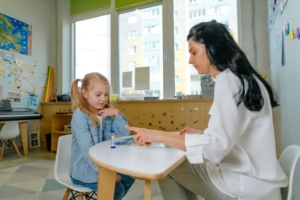
Occupational Therapy for Teenagers
Occupational therapy isn’t only for younger children. For teenagers, it shifts towards independence and the practical skills that matter at secondary school and beyond — handwriting and exams, organisation, self-care, and managing a sensory world that can feel a lot at this age.
What OT helps teenagers with
Support often focuses on handwriting speed and exam access arrangements, organisation and planning, fine and gross motor coordination, self-care and independence skills, and sensory strategies for coping with busy or overwhelming environments. The goal is to help a young person do the things they need and want to do, with less friction.
Why teen needs get missed
Older children often work hard to hide what they find difficult, so struggles with coordination, organisation or sensory overload can be mistaken for disorganisation or attitude. Naming the underlying need can be a relief — and opens the door to practical help and, where relevant, exam arrangements.
What therapy looks like for teens
Therapy is collaborative and led by goals the young person values. The therapist assesses the specific difficulties, then works with the teenager on strategies and adjustments they can use themselves at school, at home and out in the world.
Finding the right support
NHS provision for older children varies — see our NHS waiting times guide — and many families choose a private therapist for a faster, focused plan. Search the directory for a registered occupational therapist experienced with teenagers.
Start here: our full Private Occupational Therapy guide for children explains costs, what therapy involves and how to find a registered therapist. Check realistic NHS waiting times, or search the directory for a verified occupational therapist near you.
You might also like